
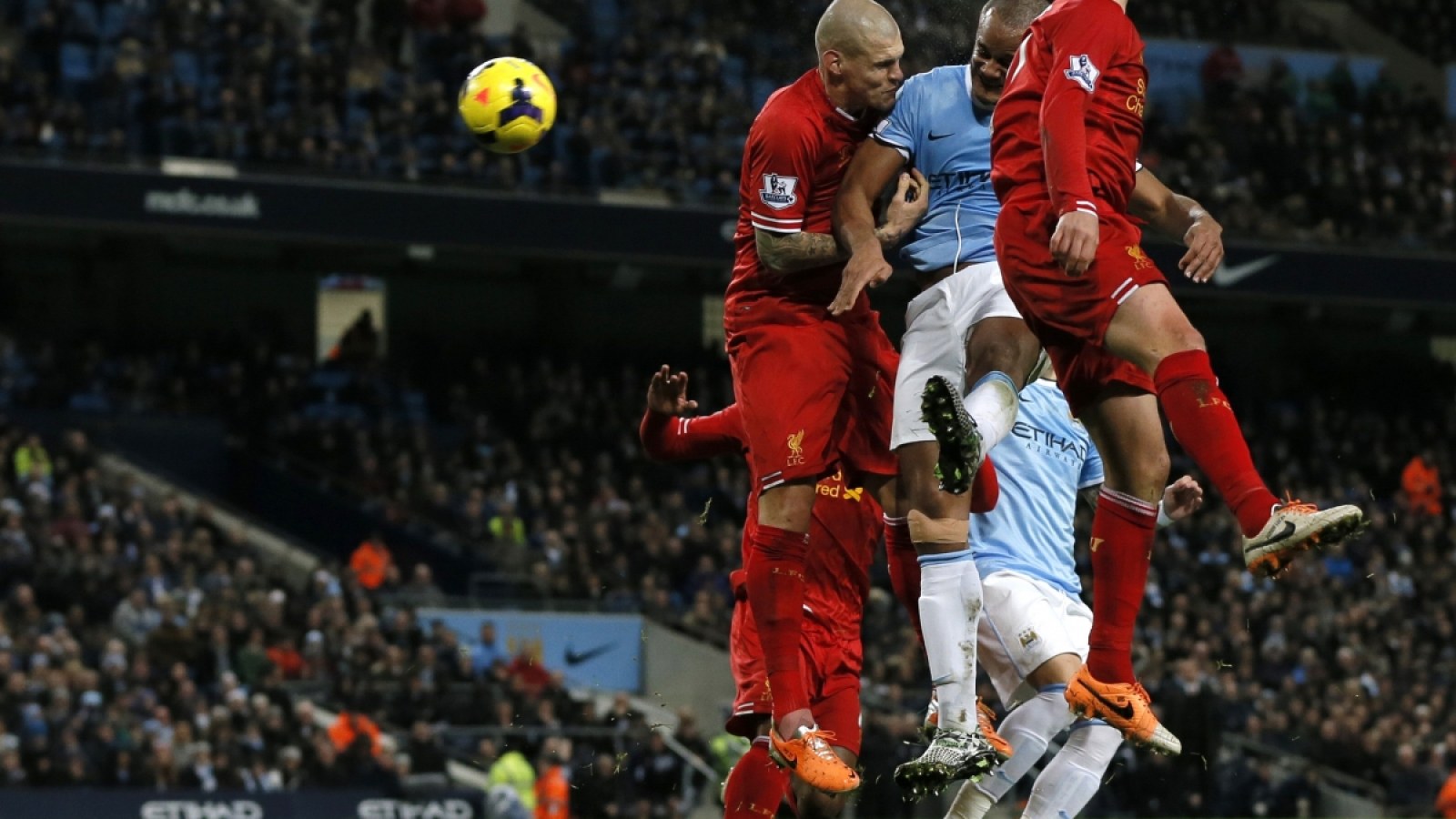
The 2013/2014 Premier League season remains one of the most prolific and volatile campaigns in modern English football history, characterized by an unprecedented surge in total goals scored and aggressive tactical frameworks. For strategic analysts focusing on the Half-Time (HT) market, this specific season offers an absolute goldmine of statistical anomalies where certain teams consistently secured leads before the whistle blew for the interval. Understanding why these specific teams structured their matches to peak in the opening 45 minutes requires a deep dive into tactical setups, squad depth limitations, and manager philosophies that favored early, high-intensity pressing over sustained 90-minute control.
The Tactical Catalysts Behind Early Match Control
The tactical landscape of English football during this era experienced a major shift as managers increasingly prioritized high-tempo transitions and aggressive defensive lines right from the kickoff. Teams that found sustained success in the first-half markets during this campaign were typically coached by managers who viewed the opening period as the optimal time to exploit opposition defensive disorganization before adjustments could be made at the interval. By committing bodies forward and utilizing intense counter-pressing, these sides systematically suffocated their opponents early on, which naturally led to high-scoring opening halves and frequent early leads.
However, maintaining this level of physical output across an entire match proved nearly impossible for teams without world-class squad depth, creating a clear disparity between their first-half and second-half performances. When a squad lacks the defensive resilience to close out games or the bench strength to refresh the midfield, their early dominance becomes a structural necessity rather than just a preference. Consequently, identifying historical trends from this specific era reveals how early tactical aggression directly shapes the betting value found within the opening 45 minutes of play.
Identifying the First-Half Powerhouses of 2013/2014
To effectively utilize historical performance data for predictive modeling, analysts must isolate the specific clubs that consistently generated leads by the referee’s half-time whistle. The 2013/2014 season featured a fascinating divide between elite clubs that used first-half dominance to cruise to victory and mid-table sides that frequently started matches with an intensity they simply could not sustain. By examining the raw frequency of half-time advantages during this 38-match campaign, clear patterns emerge regarding which teams were statistically the safest choices for early-market backing.
The table below outlines the performance metrics of the top four most efficient first-half teams during the 2013/2014 Premier League season, highlighting their half-time leads, draws, and defeats.
| Club | HT Wins (Leading) | HT Draws | HT Losses (Trailing) | Full-Time Wins |
| Liverpool | 24 | 9 | 5 | 26 |
| Manchester City | 20 | 13 | 5 | 27 |
| Chelsea | 18 | 15 | 5 | 25 |
| Arsenal | 16 | 16 | 6 | 24 |
This statistical distribution illustrates that Liverpool were the undisputed masters of the fast start during this campaign, leading in over 63% of their matches by the break. This aggressive rate of early leads even surpassed the eventual champions, Manchester City, pointing toward a highly specific tactical approach implemented by Brendan Rodgers that prioritized overwhelming opponents in the opening exchanges. For anyone examining these metrics from a historical data-driven perspective, the stark contrast between Liverpool’s first-half supremacy and their final match outcomes provides essential insights into how early leads do not always equate to comfortable second-half performances.
Why Liverpool’s 2013/2014 Attack Synergized with Half-Time Markets
The sheer velocity of Liverpool’s attacking output during the 2013/2014 season was driven by the lethal partnership of Luis Suárez and Daniel Sturridge, operating within a fluid diamond midfield that focused on instant vertical progression. Because their defensive transition was fundamentally flawed and prone to conceding counter-attacks, the tactical mandate was to outscore opponents as early as possible to establish a psychological cushion. This resulted in an extraordinary number of first-half goals at Anfield, making their matches highly predictable for anyone looking to capitalize on early goals or half-time advantages before the opposition could stabilize their defensive shape.
The Mechanics of the Blitz Strategy
Brendan Rodgers utilized a highly aggressive pressing trigger that forced turnovers in the opposition’s defensive third within the first twenty minutes of the match. The primary mechanism involved Raheem Sterling using his immense pace to pin back opposing full-backs, while Steven Gerrard delivered rapid, long-range switches of play from a deep-lying playmaker role. This specific structural setup meant that opponents faced maximum physical and mental stress immediately upon stepping onto the pitch, often leading to multiple early concessions before the away side could adapt to the atmospheric pressure and intensity.
Conditional Performance Based on Location
When analyzing Liverpool’s first-half dominance, a clear distinction must be made between their home performances at Anfield and their fixtures on the road. At home, the crowd energy and tight pitch dimensions amplified their high-pressing system, frequently resulting in three or four goals scored before the half-time break. Away from home, however, this strategy carried immense risks; while they still scored early due to individual brilliance, their structural instability often exposed them to quick equalizers, which occasionally neutralized their half-time market value against disciplined mid-table hosts.
How Manchester City’s Squad Depth Stabilized Their First-Half Value
In contrast to Liverpool’s high-variance, emotion-driven blitz strategies, Manuel Pellegrini’s Manchester City approached the 2013/2014 season with a methodical, possession-oriented dominance that wore opponents down through sheer technical superiority. Boasting a midfield core of Yaya Touré, David Silva, and Fernandinho, City controlled the tempo of matches from the opening whistle, suffocating opponents in their own half until defensive lines inevitably collapsed. This systematic suppression meant that while they might not have scored within the opening five minutes as frequently as Liverpool, they were incredibly reliable at securing a one- or two-goal cushion by the 45th minute.
The stability of City’s first-half leads was heavily reinforced by their elite squad depth, which allowed them to maintain tactical consistency regardless of injuries or European fatigue. When an opposing team attempted to frustrate City by deploying a low defensive block, the positional fluidity of Edin Džeko and Sergio Agüero ensured that central spaces were continuously penetrated. This made City an incredibly safe option for conservative half-time backing, as their leads were rarely surrendered due to sudden physical drops or midfield fatigue before the interval.
The Pitfalls of Backing High-Intensity Mid-Table Teams at HT
While elite clubs like Liverpool and Manchester City present obvious choices for half-time success, the 2013/2014 season also featured mid-table teams that looked incredibly attractive in the first-half markets but carried massive structural risks. Teams like Mauricio Pochettino’s Southampton displayed brilliant early-pressing metrics, frequently suffocating top-tier opponents and taking unexpected leads into the locker room. However, backing these sides in the half-time market required a nuanced understanding of their physical limitations, as their intense style of play often resulted in extreme fatigue as the half progressed.
The primary risk when evaluating these high-intensity, lower-depth teams lies in the final fifteen minutes of the first half, where elite clubs typically make tactical adjustments on the fly. A mid-table side might dominate the first thirty minutes through pure adrenaline and physical output, only to concede a costly equalizer right before the whistle due to a momentary lapse in concentration. Therefore, data-driven analysts must look beyond basic half-time win percentages and closely examine the exact distribution of goals conceded within the 35-to-45-minute window to avoid deceptive trends.
Evaluating the Risks of In-Play Adjustments and Managerial Interventions
One of the most significant variables capable of destroying first-half market value is the tactical adaptability of the opposing manager during the opening 45 minutes of play. Elite tacticians rarely wait until the half-time interval to fix glaring defensive vulnerabilities; if a team is being systematically dismantled by an early-pressing system, structural changes are often made via touchline instructions or early tactical substitutions. These rapid interventions can completely alter the momentum of a match within the first half, turning a seemingly comfortable early lead into a frantic defensive struggle.
Furthermore, weather conditions, early yellow cards to key central defenders, and sudden injuries to a team’s primary creative outlet can instantly neutralize a team’s ability to execute a fast start. If a team relies heavily on structural wing-play to generate first-half chances, an unexpected downpour or a defensive adjustment that forces the ball inside can completely stall their attacking momentum. Smart analysts must monitor these real-time variables during the opening ten minutes of a match to determine whether historical first-half trends are actually translating into the live environment.
Leveraging Alternative Markets for Early-Dominance Teams
When the straight half-time result market offers minimal value due to heavily adjusted odds on dominant teams like Liverpool or Manchester City, experienced market analysts shift their focus toward alternative first-half derivative markets. The historical data from the 2013/2014 season proves that backing a team to simply win the first half was often less lucrative than exploring specific goal lines or Asian handicaps. Understanding how to break down a team’s attacking metrics allows for much more precise selections that maximize potential returns while mitigating the risk of a late first-half equalizer.
A highly effective alternative strategy during this prolific season involved targeting the First-Half Over 1.5 Goals market, particularly in fixtures involving teams with explosive attacking records but shaky defensive structures. Because teams like Liverpool frequently conceded while pushing forward in search of early goals, the likelihood of seeing multiple goals before the break was exceptionally high. Additionally, utilizing the first-half Asian Handicap market allowed backing teams with a -0.5 or -1 variance, providing a much stronger risk-to-reward ratio when an elite home side faced a relegation-threatened opponent prone to early collapses.
Integrating Modern Analytical Environments with Historical Data
Applying historical insights from iconic seasons like 2013/2014 requires a reliable, modern digital infrastructure that can track complex statistical trends and translate them into actionable options. Sophisticated sports analysts who understand the value of first-half pacing trends often look for digital interfaces that provide comprehensive coverage of obscure football metrics alongside robust live-tracking features. Should a sports enthusiast want to apply these precise half-time strategies within a highly responsive modern framework, utilizing a premium web-based service like auto ufabet provides the precise data streams and diverse market options required to capitalize on early match dynamics effectively. Having access to an optimized system ensures that sudden shifts in first-half momentum can be acted upon instantly before the market adjusts the value.
The transition from historical data analysis to active live engagement requires an environment that minimizes latency and offers diverse options across various sporting events. In scenarios where a match experiences a sudden lull or an analyst wishes to pivot their strategy during extended breaks between fixtures, exploring different digital entertainment avenues can maintain analytical engagement. For those seeking a seamless transition into alternative high-stakes environments during football off-seasons, selecting a highly secure casino online website offers an excellent array of sophisticated, algorithmic games that demand the same level of risk management and probability calculation as advanced sports analysis. Ultimately, matching historical strategic knowledge with the right digital platform is what separates casual observers from disciplined, successful analysts.
Summary
The 2013/2014 Premier League season serves as a masterclass in how specific tactical philosophies, squad limitations, and attacking duos can create highly predictable patterns within the half-time markets. Liverpool’s relentless early blitzes and Manchester City’s suffocating possession frameworks represented two distinct yet highly successful routes to establishing first-half dominance. By analyzing these historical trends, contemporary analysts learn to look past full-time results and instead focus on the unique structural factors that dictate the opening 45 minutes of a match. Succeeding in the half-time market ultimately depends on an analyst’s ability to separate sustainable tactical control from temporary physical intensity while using modern platforms to execute data-driven decisions.