
Introduction
Backflow prevention is an important part of protecting public water supplies from contamination. Water systems can face serious risks when water flows in the wrong direction and carries chemicals, waste, or other harmful substances into clean drinking water. For this reason, backflow testers, water utilities, property managers, and compliance teams need accurate records, timely inspections, and reliable testing processes. In 2026, many organizations are moving away from paper forms and basic spreadsheets and choosing backflow testing software to manage these tasks more efficiently. The right software can help testers organize inspections, document test results, track devices, communicate with customers, and stay ahead of compliance deadlines.
However, not every software platform offers the same capabilities. A system that only replaces paper forms may not provide enough value for a growing backflow testing business or water utility. Modern users need tools that reduce manual work while improving accuracy, visibility, and accountability. Features such as mobile testing forms, automated reminders, device management, digital reporting, scheduling, customer portals, GPS support, and secure cloud storage can make a major difference. Understanding these features can help organizations choose a solution that supports both daily operations and long-term backflow prevention program goals.
Mobile Testing and Digital Inspection Forms
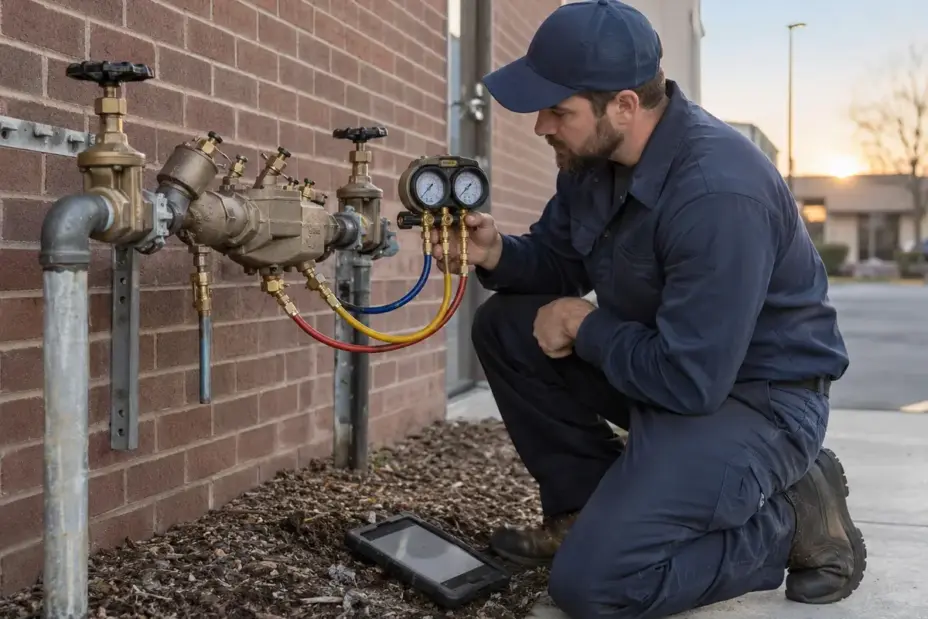
One of the most useful features to look for in backflow testing software is a mobile-friendly testing system. Backflow testers often work in the field, where carrying paper forms, returning to an office, and entering information manually can take valuable time. A mobile application allows technicians to access customer records, view backflow assembly information, complete inspection forms, and submit test results directly from a smartphone or tablet. This can reduce duplicate data entry and make field inspections more consistent. A good system should also be easy to use on different screen sizes and should allow technicians to work efficiently without complicated menus.
Digital inspection forms should support the information normally required during a backflow assembly test, including device identification, location, assembly type, test readings, tester information, service details, and inspection dates. The software should make required fields clear so technicians are less likely to leave important information incomplete. Offline functionality can be especially valuable for technicians working in basements, mechanical rooms, remote properties, or locations with weak internet service. When the connection returns, saved information can synchronize with the main system. This combination of mobile access, digital forms, and reliable synchronization can improve field productivity while creating cleaner and more useful testing records.
Backflow Device and Customer Management
A strong backflow prevention program depends on organized information. This is why device and customer management should be a major consideration when evaluating backflow testing software. The platform should provide a central record for each backflow prevention assembly and connect that device to the correct property, customer, account, and testing history. Instead of searching through separate files, staff should be able to quickly see when a device was installed, when it was last tested, what type of assembly it is, who tested it, and whether additional action is required. A searchable database can be particularly helpful for organizations managing hundreds or thousands of backflow devices.
The software should also make it easy to update addresses, contact information, device locations, tester details, and service history. A complete testing history can help organizations identify recurring failures and understand which devices require closer attention. Some platforms also provide asset management tools that allow users to track device status and organize assemblies by property, zone, customer type, or risk level. This creates a more complete view of the backflow prevention program. When customer records and device records are connected, staff can spend less time looking for information and more time managing inspections, repairs, retesting, and compliance requirements.
Automated Scheduling, Reminders, and Compliance Tracking
Missed testing deadlines can create unnecessary administrative problems and may increase compliance risks. For this reason, automated scheduling and reminder tools are important features to consider in backflow testing software. A useful platform should allow staff to schedule inspections, assign work to technicians, track upcoming deadlines, and receive alerts when tests are approaching. Instead of relying on calendars or manually maintained spreadsheets, automated workflows can help teams manage recurring testing requirements more consistently. The system may also help identify overdue tests, failed assemblies, incomplete reports, and follow-up tasks that need attention.
Compliance tracking becomes even more useful when it is connected to testing records and reporting tools. Backflow prevention programs may involve local water authorities, regulatory requirements, certified testers, property owners, and different testing intervals depending on the situation. The software should make it easier to document completed tests and identify missing information before reports are submitted. Automated notifications can also improve communication with property owners by reminding them about upcoming inspections or required corrections. By combining scheduling, alerts, status tracking, and compliance records, software can help organizations create a more proactive testing process instead of reacting after deadlines have already passed.
Reporting, Integrations, and Data Security
Reporting is another essential feature of modern backflow testing software. A good system should turn field data into clear, professional reports without requiring staff to manually recreate information. Reports may include test readings, assembly details, property information, tester credentials, dates, pass or fail results, and corrective actions. Customizable report templates can help organizations maintain a consistent format across different customers and inspection programs. Digital reports can also be delivered faster than paper documents, which can improve communication between testers, customers, utilities, and compliance departments. Searchable reporting also allows managers to review historical information and identify patterns in failed tests or overdue inspections.
Integrations and data security should receive equal attention during the software selection process. A backflow management platform may need to connect with accounting systems, customer relationship management tools, payment systems, mapping services, or municipal databases. Integrations can reduce repeated data entry and help different departments work from consistent information. At the same time, organizations should look for secure cloud storage, user permissions, backups, encryption, and audit trails. Access controls are especially important when multiple employees, contractors, or departments use the same system. A reliable platform should protect business and customer information while still making authorized data easy to access when needed.
Ease of Use, Scalability, and Future-Ready Features
Even a feature-rich system can become a poor investment if technicians and office staff find it difficult to use. Ease of use should therefore be one of the first things organizations evaluate when choosing backflow testing software. The interface should be clear, responsive, and designed around real testing workflows rather than unnecessary complexity. New technicians should be able to learn the system without extensive training, while experienced users should have quick access to the tools they use most often. A software provider that offers onboarding, training resources, customer support, and regular updates can provide additional value. It is also helpful to test the platform with real-world scenarios before making a final decision.
Scalability is equally important for organizations that expect their testing program to grow. A small contractor may begin with a limited number of customers but eventually manage thousands of devices and multiple field technicians. The software should be capable of supporting additional users, properties, devices, service areas, and workflows without becoming difficult to manage. In 2026, organizations may also benefit from advanced features such as automated data validation, intelligent scheduling, digital signatures, GPS-enabled field records, analytics dashboards, and AI-assisted administrative workflows. These tools should support professional judgment rather than replace it. Choosing flexible software with regular product improvements can help organizations avoid replacing their system every few years.
Conclusion
Choosing the right backflow testing software in 2026 requires looking beyond basic digital forms. The best solution should support the complete testing lifecycle, from scheduling and field inspections to reporting, customer communication, compliance tracking, and historical record management. Mobile testing tools can help technicians work efficiently in the field, while centralized device databases can make important information easier to find. Automated reminders can reduce missed deadlines, and professional reporting tools can make it easier to share accurate test documentation with customers and authorities. Together, these features can create a more organized and dependable backflow prevention workflow.
Organizations should also consider ease of use, integrations, security, scalability, and future development before choosing a platform. The ideal system is not simply the one with the largest number of features; it is the one that solves real operational problems without creating unnecessary complexity. By focusing on accurate data, efficient fieldwork, strong compliance management, and reliable customer communication, water utilities and backflow testing professionals can choose technology that delivers lasting value. As backflow programs become more digital and data-driven, investing in a capable software platform can help teams save time, improve record quality, and manage their testing responsibilities with greater confidence.